
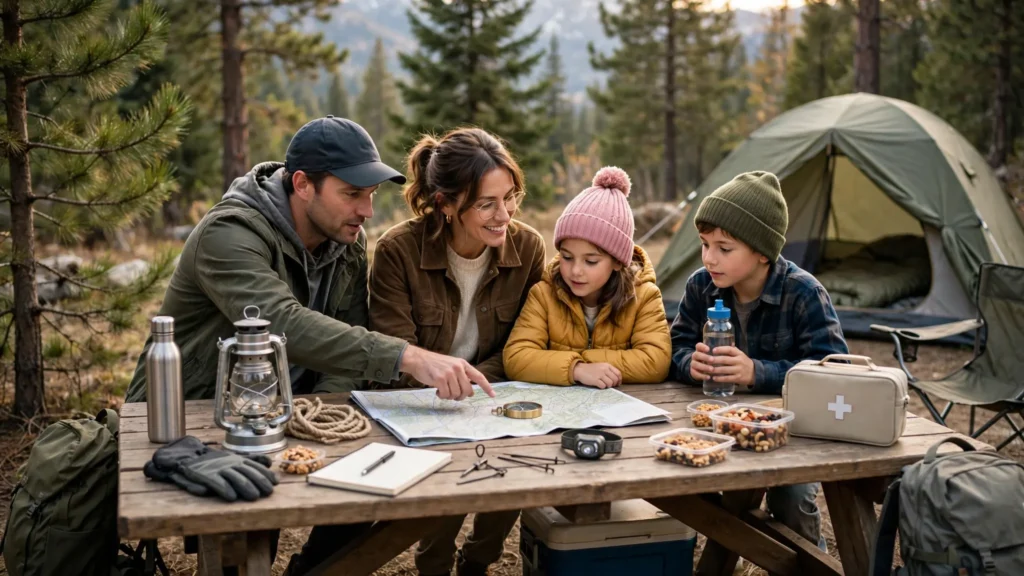
Planning a Family Camping Vacation gives families a practical way to reconnect while enjoying nature. Camping combines outdoor adventure, affordable travel, and quality time without constant digital distractions. A successful trip depends on careful planning, suitable gear, and choosing activities everyone enjoys. We will cover the essential steps, expert advice, and practical tips that help families create memorable camping experiences while staying comfortable and safe.
A well-planned Family Camping Vacation also teaches valuable life skills. Children learn teamwork, problem-solving, and respect for nature through hands-on experiences. Parents benefit from reduced travel costs compared to many traditional vacations. With proper preparation, families can enjoy relaxing evenings around the campfire, scenic hikes, and meaningful conversations that strengthen family relationships.
Why a Family Camping Vacation Is Worth Planning
A Family Camping Vacation offers benefits that extend beyond saving money. According to the Outdoor Industry Association, millions of Americans participate in camping each year, making it one of the country’s most popular outdoor activities. Camping encourages physical activity while reducing screen time, which supports both mental and physical well-being.
Families also gain flexibility when camping. National parks, state parks, and private campgrounds provide options for every budget and comfort level. Experienced outdoor educators recommend starting with established campgrounds that offer restrooms, potable water, and basic amenities. These locations help first-time campers build confidence before exploring more remote destinations.
Key Benefits of Family Camping
- Strengthens family communication.
- Encourages outdoor learning.
- Supports healthy physical activity.
- Reduces vacation expenses.
- Builds confidence and independence.
- Creates lasting family traditions.
Choosing the Right Campsite
Selecting the right campground greatly influences your Family Camping Vacation experience. Families with young children often enjoy campgrounds that include playgrounds, picnic tables, clean restrooms, and easy hiking trails. Locations near lakes or rivers provide opportunities for fishing, kayaking, and wildlife viewing.
Research campground rules before booking. Review weather patterns, available facilities, reservation requirements, and seasonal conditions. Experienced campers also recommend arriving during daylight hours. Setting up camp before sunset reduces stress and improves overall safety. Reading recent visitor reviews helps identify campground maintenance, noise levels, and family-friendly amenities.
Campsite Comparison Table
| Campsite Type | Best For | Amenities | Average Cost |
|---|---|---|---|
| National Park | Scenic vacations | Visitor centers, trails | Moderate |
| State Park | Family activities | Restrooms, playgrounds | Affordable |
| Private Campground | First-time campers | Wi-Fi, pools, stores | Higher |
| Backcountry Camping | Experienced families | Limited facilities | Low |
Essential Gear for a Family Camping Vacation
Packing the right equipment keeps every Family Camping Vacation comfortable and organized. Reliable gear reduces unexpected problems while improving safety throughout the trip. Invest in quality equipment that withstands changing weather and repeated use. Many outdoor experts recommend testing new gear at home before departure.
Essential supplies include weather-appropriate clothing, sleeping bags rated for expected temperatures, flashlights, cooking equipment, first-aid supplies, and extra batteries. Food should remain in sealed containers to discourage wildlife. Portable water filters or extra drinking water also provide additional security during extended camping trips.
Family Camping Packing Checklist
| Item | Purpose |
|---|---|
| Tent | Weather protection |
| Sleeping bags | Comfortable sleep |
| Camping stove | Meal preparation |
| First-aid kit | Emergency care |
| Flashlights | Night visibility |
| Water containers | Hydration |
| Cooler | Food storage |
| Rain gear | Weather protection |
Planning Meals Everyone Will Enjoy
Food plays an important role in every successful Family Camping Vacation. Simple meal planning reduces waste, saves time, and keeps everyone energized throughout daily activities. Prepare ingredients before leaving home whenever possible. Pre-cut vegetables, marinated meats, and labeled containers simplify cooking at the campsite.
Nutrition experts recommend balancing protein, whole grains, fruits, and vegetables during camping trips. Healthy snacks such as trail mix, fresh fruit, granola bars, and cheese help maintain energy between meals. Always store food securely and clean cooking areas immediately after meals to reduce wildlife encounters.
Easy Camping Meal Ideas
- Oatmeal with fruit for breakfast.
- Grilled chicken wraps for lunch.
- Foil packet vegetables with salmon for dinner.
- Fresh fruit and yogurt snacks.
- Campfire popcorn for evening treats.
Keeping Kids Engaged Outdoors
Children enjoy a Family Camping Vacation most when activities match their interests and abilities. Nature scavenger hunts, bird watching, fishing, hiking, and stargazing encourage exploration while making learning enjoyable. Outdoor recreation specialists emphasize balancing structured activities with free play.
Parents should involve children in simple camping responsibilities. Setting up tents, gathering firewood where permitted, organizing gear, and preparing meals build confidence and responsibility. Evening storytelling around the campfire creates memorable experiences that children often remember long after the trip ends.
Outdoor Activities by Age
| Age Group | Recommended Activities |
|---|---|
| 3–6 years | Nature walks, scavenger hunts |
| 7–10 years | Fishing, biking, simple hiking |
| 11–15 years | Kayaking, advanced hiking, photography |
| Adults | Cooking, wildlife observation, relaxation |
Safety Tips for Every Family Camping Vacation
Safety should remain the highest priority during every Family Camping Vacation. Monitor weather forecasts before departure and throughout your stay. Inform a trusted friend or relative about your itinerary and expected return date. Carry printed maps because mobile signals may become unreliable.
Outdoor safety professionals recommend teaching children campground boundaries immediately after arrival. Everyone should understand basic first-aid procedures, emergency contacts, and wildlife safety guidelines.
Keeping a stocked first-aid kit, emergency flashlight, whistle, and backup power source improves preparedness during unexpected situations. Explore our latest insights in Camping Vacation.
Essential Safety Reminders
- Check weather updates daily.
- Keep drinking water available.
- Store food securely.
- Supervise children near water.
- Follow campground fire regulations.
- Leave wildlife undisturbed.
Conclusion
A thoughtfully planned Family Camping Vacation creates meaningful experiences while encouraging adventure, learning, and stronger family connections. Careful preparation, reliable equipment, nutritious meals, engaging activities, and practical safety habits help every trip succeed. With these strategies, families can confidently enjoy the outdoors while creating lasting memories together.